
The allure of risk and reward
The psychology of gambling is deeply rooted in the allure of risk and reward that captivates the human mind. The thrill of potentially winning a large sum of money can be intoxicating, elevating feelings of excitement and anticipation. This emotional rollercoaster is particularly potent due to the nature of gambling activities that often present players with a blend of skill and chance, leading to a heightened sense of engagement. Many enthusiasts seek the best online casino experiences, as the prospect of a significant win not only stimulates the dopamine pathways in our brains but also feeds into our desire to engage in risk-taking behaviors, which, in moderation, can be exhilarating.
Moreover, the experiences of winning, even if infrequent, create a psychological condition known as intermittent reinforcement. This phenomenon suggests that rewards received in an unpredictable manner can strengthen behaviors, making individuals more likely to return for another chance at victory. Each small win can enhance one’s self-esteem and create a belief in one’s capacity to beat the odds, further solidifying a person’s commitment to gambling as an activity. As individuals taste success, the desire to replicate that high often outweighs the knowledge of possible losses.
Additionally, gambling taps into a fundamental human desire for control. Many players derive a sense of power from their ability to influence outcomes, whether through strategic decisions in games of skill like poker or simply by placing a bet in a game of chance. This illusion of control contributes to an addictive loop where the gambler feels empowered, despite the inherently unpredictable nature of gambling outcomes. As they continue to invest time and money, the drive to both chase wins and maintain that feeling of control becomes increasingly compelling, making it difficult for some to step back.
The role of social factors
Social factors play a significant role in the psychology behind gambling, influencing both the initiation and continuation of gambling behaviors. Activities often take place in group settings, such as casinos or online platforms, where camaraderie and competition can enhance the excitement of gambling. Social reinforcement creates a scenario where individuals feel more compelled to participate when they observe peers engaging and experiencing wins, feeding off the collective enthusiasm. This social aspect can serve as both a motivator and a barrier to quitting, as the fear of being excluded from a community can keep individuals tethered to their gambling habits.
Furthermore, the idea of peer influence extends to the environment where gambling occurs. For example, individuals may be more prone to gamble if they are surrounded by friends who endorse the activity or if they frequent locations where gambling is normalized. This environment fosters a sense of belonging and acceptance within the circle of gamblers, which may overshadow any rational concerns about risks and consequences. Consequently, social dynamics can fuel a cycle where participation is sustained not just through personal desire, but through external validation and group behaviors.
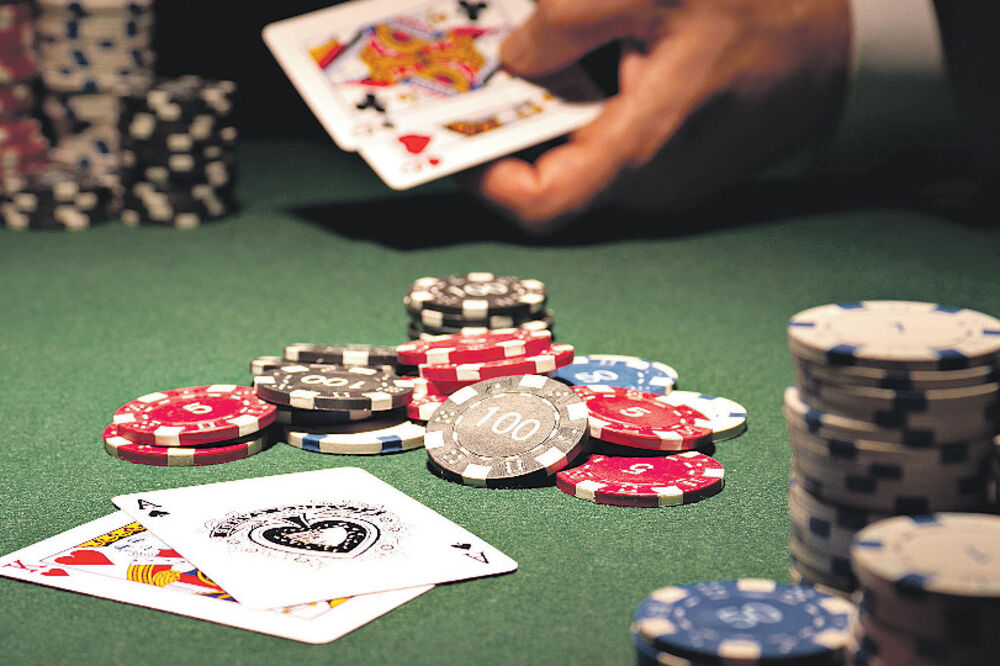
The role of social media in contemporary gambling practices also cannot be overlooked. Online platforms and social networks actively showcase gambling experiences, offering a digital space for sharing stories of wins and losses. This virtual community can amplify individuals’ gambling behaviors by normalizing risk-taking and fostering an environment where sharing one’s betting successes encourages others to jump in. As players seek connection and affirmation within these spaces, gambling can transform from a mere pastime into a social ritual, complicating the dynamics of individual gambling psychology.
The impact of cognitive biases
Cognitive biases are prevalent in the gambling landscape, significantly shaping how individuals interpret their experiences and outcomes. One common bias is the « gamblers’ fallacy, » which leads players to believe that past events will influence future probabilities. For instance, someone may think that a slot machine is « due » for a payout after a series of losses, despite the random nature of the game. This irrational belief can compel individuals to continue gambling, fueling their hopes and reinforcing the misconception that they can predict outcomes based on preceding patterns.
Additionally, the concept of confirmation bias plays a critical role in gambling behavior. Gamblers often remember their wins more vividly than their losses, which can distort their perception of success rates. This selective memory can generate a false sense of confidence, prompting individuals to gamble more than they would if they accurately accounted for their overall performance. By focusing on wins, they inadvertently ignore the losses that contribute to negative consequences, further entrenching their engagement in the gambling cycle.
Another relevant cognitive bias is the illusion of control, where gamblers believe they have more influence over the outcome than they actually do. This illusion can be particularly pronounced in skill-based games, where players may latch onto the idea that their strategies or decisions are determining factors in winning. Such beliefs can bolster one’s resolve to stay in the game despite evidence to the contrary, as individuals cling to the notion that their actions directly lead to success, perpetuating the cycle of gambling through enhanced feelings of agency.
The emotional journey of gambling
The emotional journey associated with gambling is a complex tapestry woven with thrill, dread, excitement, and sometimes despair. As players engage with games, they navigate a spectrum of emotions that can lead to both positive and negative outcomes. Winning can induce a euphoria that reinforces continued participation, while losses may lead to feelings of disappointment or frustration. This emotional volatility can heighten the stakes of gambling, as players become caught in a cycle of seeking relief from negative feelings through further gambling, often referred to as chasing losses.

Moreover, gambling often serves as a coping mechanism for individuals facing emotional distress or life challenges. The temporary escape provided by gambling can offer a distraction from everyday life, allowing players to immerse themselves in the thrill of the game. However, this reliance on gambling as a source of emotional regulation can exacerbate underlying issues, leading to a dependence that complicates mental health. In these instances, the emotional highs associated with wins may mask deeper problems, making it difficult for players to recognize the need for healthier coping strategies.
Ultimately, the emotional journey is cyclical; the highs of winning can lead to an increased desire to play, while the lows of losing can create a sense of urgency to recover losses. This back-and-forth can make it challenging for individuals to step back, especially when their emotions are tied to the unpredictability of outcomes. As they oscillate between exhilaration and despair, the emotional stakes of gambling can become profoundly entrenched in their identity, perpetuating a cycle of behavior that can be difficult to escape.
Understanding gambling behavior on a broader scale
Understanding gambling behavior on a broader scale requires a multifaceted approach that encompasses psychological, social, and economic perspectives. It is vital to appreciate that gambling is not only a personal choice but also a reflection of environmental influences. Economic factors such as the accessibility and promotion of gambling platforms can contribute to increased participation rates, while broader societal attitudes toward gambling can shape norms and perceptions. For example, in communities where gambling is viewed favorably, individuals may be more likely to engage, often without considering the associated risks.
On a psychological level, understanding the motivations behind gambling can illuminate the reasons individuals become entrenched in this behavior. Factors such as the pursuit of excitement, social interactions, and strategic thinking create a rich tapestry of incentives that can draw people in. Furthermore, mental health issues like anxiety and depression can amplify the allure of gambling as a means of escape, complicating the landscape further. Research indicates that certain personality traits, such as impulsivity or sensation-seeking, are often linked to higher gambling tendencies, highlighting the need for tailored interventions.
Finally, acknowledging gambling treatment options is crucial in addressing problematic behaviors. Public health approaches can include education about the risks and offering resources for those affected, fostering an environment where individuals can seek help without stigma. As society continues to evolve alongside the gambling landscape, a comprehensive understanding of the psychological underpinnings of gambling is imperative for promoting healthier habits and mitigating the potential negative impacts associated with this activity.